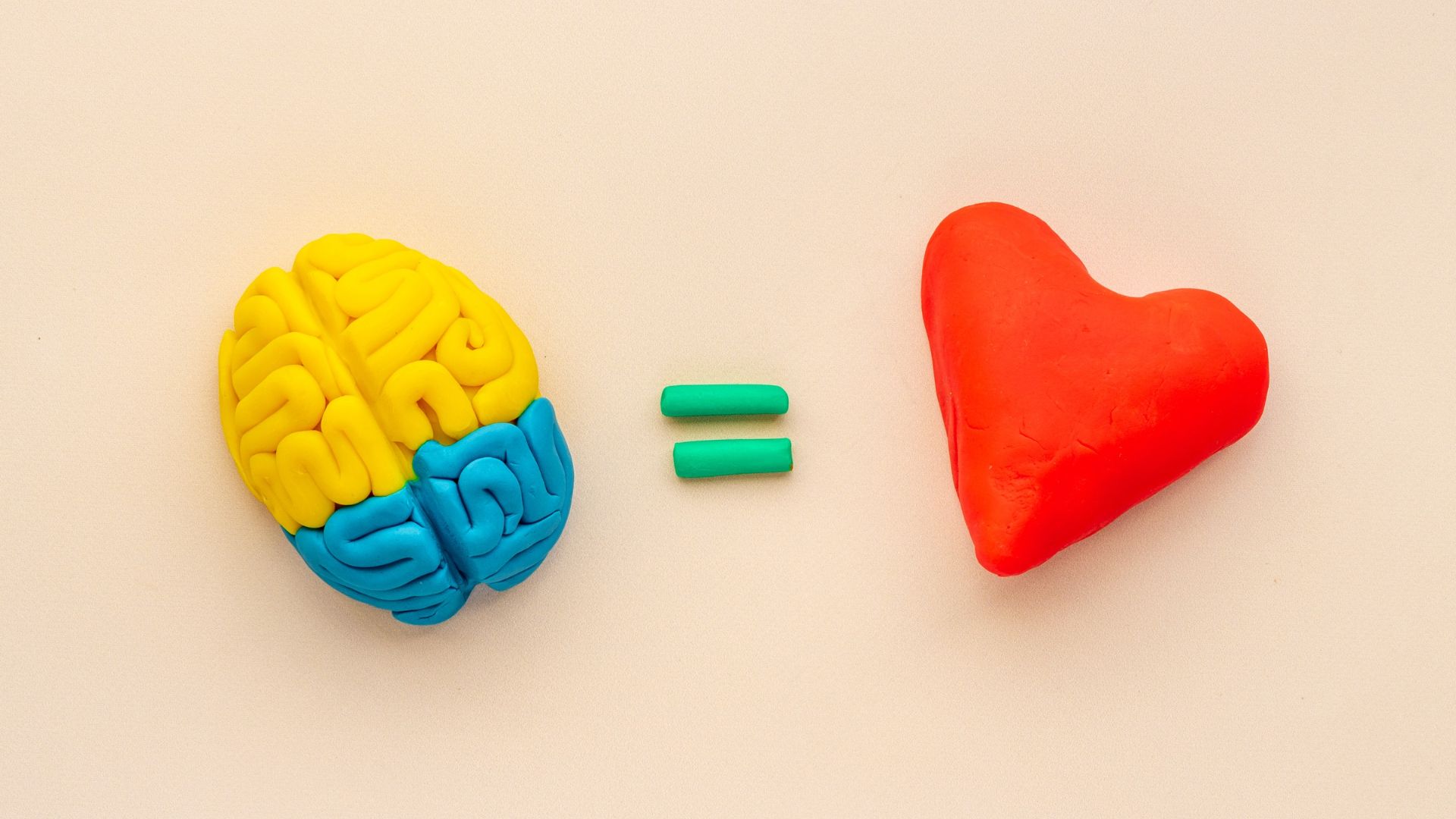

Resilience for women leaders is often described through endurance, but the leadership journey behind it rarely gets enough attention. Leadership is usually described through achievement, influence, and the ability to create meaningful change. Yet behind many journeys are difficult decisions, professional disappointments, personal sacrifices, unexpected setbacks, and the pressure to stay strong when circumstances become demanding.
For many women in leadership, the journey carries additional expectations. They may feel the need to prove competence repeatedly, balance competing responsibilities, manage the expectations of others, and maintain high standards even when resources or support are limited. These experiences make building leadership resilience an essential capability.
But resilience is frequently misunderstood. It is sometimes presented as the ability to endure everything, remain unaffected, or keep working regardless of personal cost. That understanding can be harmful.
True resilience for women leaders is not about becoming emotionally unavailable, ignoring exhaustion, or sacrificing well-being to prove commitment. It is about developing the capacity to navigate difficult experiences, recover from setbacks, adapt to change, and keep pursuing meaningful goals without losing your identity in the process.
A resilient woman does not have to carry everything alone. She learns to recognise what requires strength, what requires support, and what needs to change.
Understanding Resilience for Women Leaders
Resilience is the ability to adapt, recover, and move forward when faced with adversity, uncertainty, or significant change.
In leadership, it becomes visible when a project fails, an opportunity disappears, a decision draws criticism, or circumstances shift unexpectedly. It shows in her willingness to reassess, learn from experience, and find a constructive way forward.
Resilience for women leaders does not make setbacks painless or disappointment disappear. It means difficult experiences do not permanently determine your direction. A woman may experience rejection and still pursue new opportunities. She may face criticism and still trust her abilities. She may encounter professional failure and use it to improve her approach.
The key distinction is that resilience lets a leader acknowledge difficulty without letting it define her leadership journey.
Why Building Leadership Resilience Matters for Women in Leadership
Leadership rarely follows a predictable path. Strategies change, responsibilities grow, teams face difficulties, and decisions sometimes produce unexpected outcomes. A leader who depends on favourable circumstances may struggle when those circumstances change. Building leadership resilience helps women stay adaptable, evaluate what is happening, identify options, and adjust. This matters in business, entrepreneurship, and organisational management, where leaders decide without full control over outcomes.
Resilience also helps women in leadership recover from professional setbacks. A promotion may go to someone else, a proposal may be rejected, or a carefully built strategy may fall short. Because these experiences can affect confidence, resilience helps separate the outcome from overall potential. A rejected application does not mean a lack of competence. A failed project does not erase professional knowledge. A disappointing season does not determine the rest of a career. Resilient leaders examine what happened, identify lessons, and decide what to do differently.
It strengthens confidence in difficult seasons too. Confidence is easiest to hold when progress is visible and achievements are recognised. The challenge comes when effort does not immediately produce results. Resilience keeps a woman connected to her abilities, values, and long term vision, and reminds her that growth is not always linear. Some seasons are about visible achievement, others about preparation, learning, and rebuilding.
Finally, resilience supports better leadership under pressure. When pressure becomes overwhelming, it can lead to rushed decisions, poor communication, and unnecessary conflict. Resilient women prioritise, seek support, reassess expectations, and stay focused on what matters most. That creates a steadier leadership approach for the people who depend on their direction.
Sustainable Leadership Is Not Constant Endurance
One of the most important lessons for women is that resilience should not become an excuse for tolerating unhealthy environments. There is a difference between facing a difficult situation that calls for perseverance and staying in a damaging one because leaving feels like giving up.
Resilience for women leaders is not measured by how much pressure you can tolerate without complaint, how many responsibilities you can carry, or how little rest you can survive on. Sometimes it means continuing when the journey is hard. At other times it means recognising that an approach is no longer sustainable.
You may need to delegate, set boundaries, ask for support, change strategies, or step away from an environment that consistently undermines your well-being. These decisions are not weakness. They show an understanding of personal capacity and the importance of sustainable leadership.
Leadership should not require women to lose themselves in the process of becoming influential.
Practical Ways of Building Leadership Resilience
- Develop a healthier relationship with failure. Resilient leaders do not treat failure as proof they are incapable. They see mistakes and disappointing outcomes as part of learning. When something goes wrong, examine it without turning it into a personal attack. Ask what could have been handled differently, which assumptions were wrong, and what information or support was missing.
- Build a reliable support system. Building leadership resilience does not mean doing everything alone. Every leader needs people to learn from, consult, and rely on, including mentors, colleagues, trusted friends, family, and supportive communities. Asking for help does not diminish credibility. Knowing when to seek support is itself a leadership skill.
- Establish boundaries that protect your capacity. A leader cannot stay effective if every request becomes an obligation and every problem becomes her personal responsibility. Learn to say no to unnecessary commitments, delegate tasks, set realistic deadlines, and separate professional responsibilities from personal time. Boundaries do not reduce commitment. They make it sustainable.
- Make continuous learning part of your growth. New responsibilities, changing industries, and unexpected challenges may demand skills you have not yet developed. Treat them as chances to expand your capabilities rather than threats to your competence. Training, mentorship, reading, practical experience, and constructive feedback all strengthen your ability to navigate change.
- Recognise when rest is necessary. Rest is not the opposite of ambition. It is part of keeping the capacity to pursue meaningful goals. Notice when responsibilities are affecting your energy, concentration, decision making, or relationships. Recovering early can stop temporary pressure from becoming prolonged exhaustion. Sustainable leadership requires the wisdom to know when recovery is needed.
Women Leadership Development Needs a Culture That Encourages Resilience
Individual resilience matters, but organisations also influence whether women can lead sustainably. Workplaces that expect constant pressure without adequate support make resilience for women leaders harder to build.
Women leadership development works best when organisations consider how their leadership cultures affect women’s ability to grow and contribute. That means providing fair opportunities, recognising contributions, encouraging open communication, supporting professional development, and creating environments where people can raise concerns without fear of unnecessary punishment. Mentorship and peer support networks help women meet professional challenges with greater confidence.
Most importantly, organisations should not celebrate exhaustion as evidence of commitment. A culture that rewards only constant availability may produce short term output, but it does not support long term leadership effectiveness. Resilience should be encouraged through supportive systems, not demanded through unrealistic expectations.
Resilience for Women Leaders Does Not Cost You Yourself
The journey of leadership will always include moments that test patience, confidence, and determination. There will be seasons when progress is slow, decisions are hard, and expectations feel overwhelming. Yet being a strong leader does not mean becoming responsible for everything or sacrificing every part of your life to succeed.
Resilience is not about how much a woman can endure. It is about how effectively she can navigate challenges while staying connected to her values, identity, and well-being. She can be ambitious and still rest. She can be committed and still set boundaries. She can be courageous and still ask for help. She can experience disappointment and still believe in her potential.
At Face of Congeniality Nigeria, we believe that women leadership development means preparing women not only to achieve but also to sustain their growth, influence, and impact. The goal is not simply to create women who can withstand difficult leadership environments. It is to equip women with the confidence, support, and judgement to shape healthier and more effective ones.
Build the strength to keep moving forward, but never allow the pursuit of leadership to cost you the person you are becoming.
Join the You Inspire Community Today.
Follow us on:
Instagram: @focn_leadership_academy
Facebook: Face Of Congenality Nigeria
LinkedIn: Face of Congeniality Nigeria
You might also like:
Artificial Intelligence for Women Leaders: AI in Business Decision-Making and Digital Leadership